

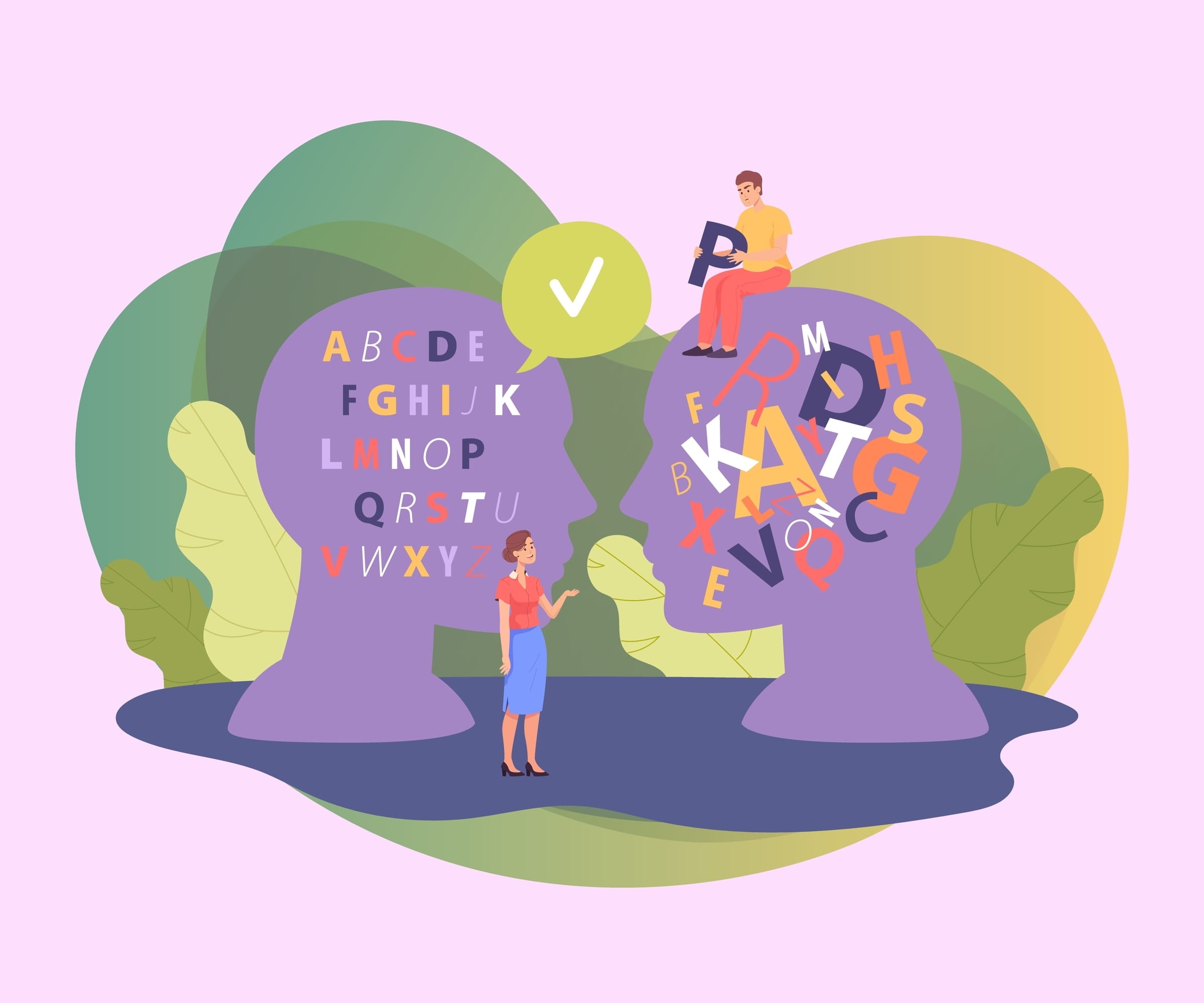
When your child is struggling with reading, spelling, or schoolwork, it can be hard to know what is normal, what will improve with time, and what may need a closer look. Many parents describe the same feeling: their child is bright, curious, and capable, but reading feels harder than it should.
If that sounds familiar, you are not alone. Struggles with reading do not mean your child is lazy, careless, or not trying hard enough. In many cases, a child may be working twice as hard just to keep up.
Dyslexia testing can help parents better understand what is happening beneath the surface. It does not place a limit on your child. Instead, it can provide answers, direction, and a clearer path toward the right kind of support.
At Educational Resource Associates, we work with families who want to understand their child’s learning needs and help them build confidence in school and beyond. If you are wondering whether your child may benefit from dyslexia testing and tutoring, here are signs to watch for.
First, What Is Dyslexia?
Dyslexia is a learning difference that affects how the brain processes written language. It commonly impacts reading, spelling, decoding, fluency, and sometimes writing. Dyslexia is not a reflection of intelligence. Many children with dyslexia are creative, verbal, thoughtful, and capable in many areas, but reading and spelling may require far more effort than expected.
For parents, dyslexia can be confusing because the signs are not always obvious. A child may be able to understand complex ideas when they are spoken aloud but struggle to read a short passage independently. Another child may read slowly but memorize enough words to “get by” for a while. Some children do well in early grades, then begin to struggle more as reading demands increase.
That is why testing can be so helpful. It gives families more than a guess. It helps identify specific strengths, challenges, and next steps.
Signs Your Child May Need Dyslexia Testing
Every child develops at their own pace, and one sign alone does not automatically mean a child has dyslexia. However, when several signs appear together, continue over time, or begin to affect confidence, testing may be worth considering.
1. Reading feels unusually slow or exhausting
A child with dyslexia may be able to read, but the process can feel slow, tiring, or frustrating. You may notice that your child reads word by word, loses their place often, avoids reading aloud, or becomes drained after short assignments.
This is especially important if your child understands stories well when someone else reads to them but struggles when they have to read the same type of material independently.
2. Your child guesses words instead of sounding them out
Some children rely heavily on pictures, context, or the first letter of a word. For example, they may see the beginning of a word and guess something that makes sense in the sentence but does not match the letters on the page.
This can make reading comprehension seem inconsistent. Your child may understand one passage well but miss key details in another because they are spending so much energy trying to identify words.
3. Spelling is consistently difficult
Spelling struggles are one of the most common reasons parents begin wondering about dyslexia. Your child may spell the same word several different ways in one assignment, leave out sounds, reverse letters, or spell words the way they sound rather than the way they are written.
Occasional spelling mistakes are normal, especially for younger students. But if spelling remains unusually difficult despite practice, correction, and classroom instruction, it may point to a deeper reading or language-processing issue.
4. Your child has trouble remembering letters, sounds, or sight words
Some children with dyslexia have difficulty remembering letter names, letter sounds, common sight words, or spelling patterns. Parents may say, “We practiced this yesterday, and today it’s gone.”
This can be frustrating for both the child and the parent. It may look like the child is not paying attention, but the real issue may be that the information is not sticking in the way it does for other learners.
5. Reading problems are affecting confidence
Sometimes the emotional signs are just as important as the academic ones. Your child may say things like:
“I’m just bad at reading.”
“I hate school.”
“Everyone else is faster than me.”
“I’m dumb.”
Those comments can be painful to hear, especially when you know your child is capable. If reading struggles are beginning to affect self-esteem, motivation, or behavior at home, it may be time to look deeper.
6. Homework has become a daily battle
Many parents first notice a problem during homework. Reading assignments that should take 15 minutes may take an hour. Spelling practice may end in tears. Your child may avoid starting, complain of headaches or stomachaches, or become upset before reading even begins.
These reactions do not always mean a child is being defiant. Often, they are signs that schoolwork feels overwhelming or discouraging.
7. There is a family history of reading struggles
Dyslexia often runs in families. If a parent, sibling, aunt, uncle, or grandparent struggled with reading, spelling, writing, or school despite being bright and capable, it is worth mentioning during an evaluation.
Even if no one in the family was formally diagnosed, there may be a history of people saying they “hated reading,” “couldn’t spell,” or “had to work much harder than everyone else.”
8. Your child is bright but unexpectedly behind in reading
One of the most common patterns parents notice is a gap between a child’s thinking ability and reading performance. Your child may be great at building, storytelling, problem-solving, art, science, sports, or conversation, yet still struggle with reading and spelling.
That gap can be an important clue. Dyslexia is often described as an unexpected difficulty with reading, meaning the child’s reading struggles do not match their overall ability, effort, or potential.
When Should Parents Consider Testing Instead of Waiting?
It is natural to hope a child will “catch up.” Sometimes children do need more time and practice. But waiting too long can allow frustration, avoidance, and skill gaps to grow.
Parents may want to consider dyslexia testing when:
- Reading or spelling struggles continue despite extra help
- Your child is falling behind grade-level expectations
- Teachers have expressed concern
- Your child avoids reading, writing, or homework
- Your child’s confidence is declining
- You see a pattern of reading, spelling, memory, or language struggles
- There is a family history of dyslexia or learning differences
You do not need to wait until your child is failing. Testing can be useful before a child reaches a crisis point because it can help identify what type of support is most appropriate.
Dyslexia Testing Is Not About Labeling Your Child
Many parents worry that testing will put a label on their child. That concern is understandable. No parent wants their child to feel limited or defined by a diagnosis.
But accurate testing can do the opposite. It can help explain why reading has been so difficult and show that the struggle is not due to laziness, lack of intelligence, or poor effort. For many families, having answers brings relief.
A dyslexia evaluation can help identify:
- How your child processes sounds and language
- Where reading or spelling is breaking down
- Whether dyslexia may be part of the picture
- What type of tutoring or intervention may help
- How to better support your child at home and school
At Educational Resource Associates, our dyslexia testing services are designed to look closely at reading, writing, and language-processing skills so families can better understand the source of the struggle.
What If It Is Not Dyslexia?
Not every reading struggle is dyslexia. Some children may struggle because of gaps in phonics instruction, attention difficulties, vision or hearing concerns, anxiety, language delays, or other learning differences.
That is another reason testing can be valuable. A thoughtful evaluation does not simply assume dyslexia. It helps clarify what may be contributing to the problem and what kind of support is most likely to help.
For some students, the next step may be targeted reading tutoring. For others, it may involve academic coaching, school accommodations, or additional support in writing, attention, or executive functioning. The goal is to understand the child as a whole learner.
What Parents Can Do Before Scheduling Testing
If you are not sure whether your child needs dyslexia testing, start by gathering observations. You do not need to have all the answers before reaching out for help.
Consider writing down:
- What your child struggles with most
- When the struggles began
- Whether the same issues happen at school and home
- How your child responds to reading or spelling tasks
- Whether extra practice has helped
- Any teacher comments or school testing results
- Any family history of reading or learning challenges
These details can make the first conversation more productive and help an evaluator understand the full picture.
You can also talk with your child’s teacher. Ask whether your child is reading at grade level, whether spelling patterns are developing as expected, and whether the teacher has noticed avoidance, slow reading, or difficulty sounding out unfamiliar words.
How Educational Resource Associates Helps Families
Educational Resource Associates provides individualized academic support for students with a wide range of learning needs. Families often come to us after months or years of watching a child struggle and wondering what to do next.
Our team understands that learning challenges can affect the whole family. Parents may feel worried, confused, or guilty. Students may feel embarrassed or discouraged. We approach these conversations with care because the goal is not just better reading; it is also helping students rebuild confidence.
You can learn more about Educational Resource Associates and our approach to individualized learning, parent communication, and academic support.
Local Dyslexia and Tutoring Support in Iowa
Educational Resource Associates works with students through in-person and online support. Families looking for local tutoring and educational support can learn more about our services in Des Moines, Cedar Rapids, Ankeny, Urbandale, Waukee, and Clive.
If your family is outside these areas, online dyslexia tutoring may also be an option, depending on your child’s needs and schedule.
The Earlier You Understand the Problem, the Sooner You Can Support Your Child
If your child is struggling with reading or spelling, you do not have to wait and wonder. Dyslexia testing can help you understand whether your child’s challenges are connected to dyslexia or another learning need.
Most importantly, testing can give you a plan. With the right information, parents can make better decisions, students can receive more targeted support, and reading can begin to feel less overwhelming.
If you are concerned about your child’s reading, spelling, memory, or confidence, Educational Resource Associates can help you take the next step. Contact us to start a conversation about dyslexia testing, tutoring, and individualized support for your child.

